
Hotel analysis too often happens in disconnected places: a PMS report, a revenue dashboard, a budget spreadsheet, a local event calendar and a sales meeting note. The HotelGEX AI Connector for ChatGPT and Claude, built on MCP (Model Context Protocol), introduces a different workflow: explore authorized hotel data in natural language and, where your assistant and connected services allow, combine it with supplementary documents, market intelligence and business context outside the hotel platform.
Imagine asking: “Review the next two weeks of bookings through HotelGEX, then factor in this event calendar, my attached budget spreadsheet and our commercial team notes. What are we missing?” This is not merely a new interface for an old report. It is a new way to investigate, challenge assumptions and make better-informed decisions.
All property details and figures in the four use cases below are fictional examples. Available functionality depends on user permissions, HotelGEX modules and MCP tools, as well as the files and external sources separately available in ChatGPT or Claude.
What changes when HotelGEX meets ChatGPT or Claude?
Access to hotel context: authorized tools can provide relevant reservation, production, commercial and operational information, subject to the modules and permissions enabled.
Additional sources: users can supply budgets, contracts, strategy papers, event schedules, meeting notes or external market research. Other connected applications or browsing may enrich the analysis where they are available and permitted.
Cross-source reasoning: the assistant can explain variance, compare scenarios, test hypotheses and turn findings into briefings or draft action plans while the user keeps adding questions or context.
Human oversight: do not assume universal data access, real-time synchronization or automatic execution. Request sources, timestamps, KPI definitions, missing-data disclosure and review of every operational action.
Use case 1: General manager — move beyond RevPAR
Example prompt
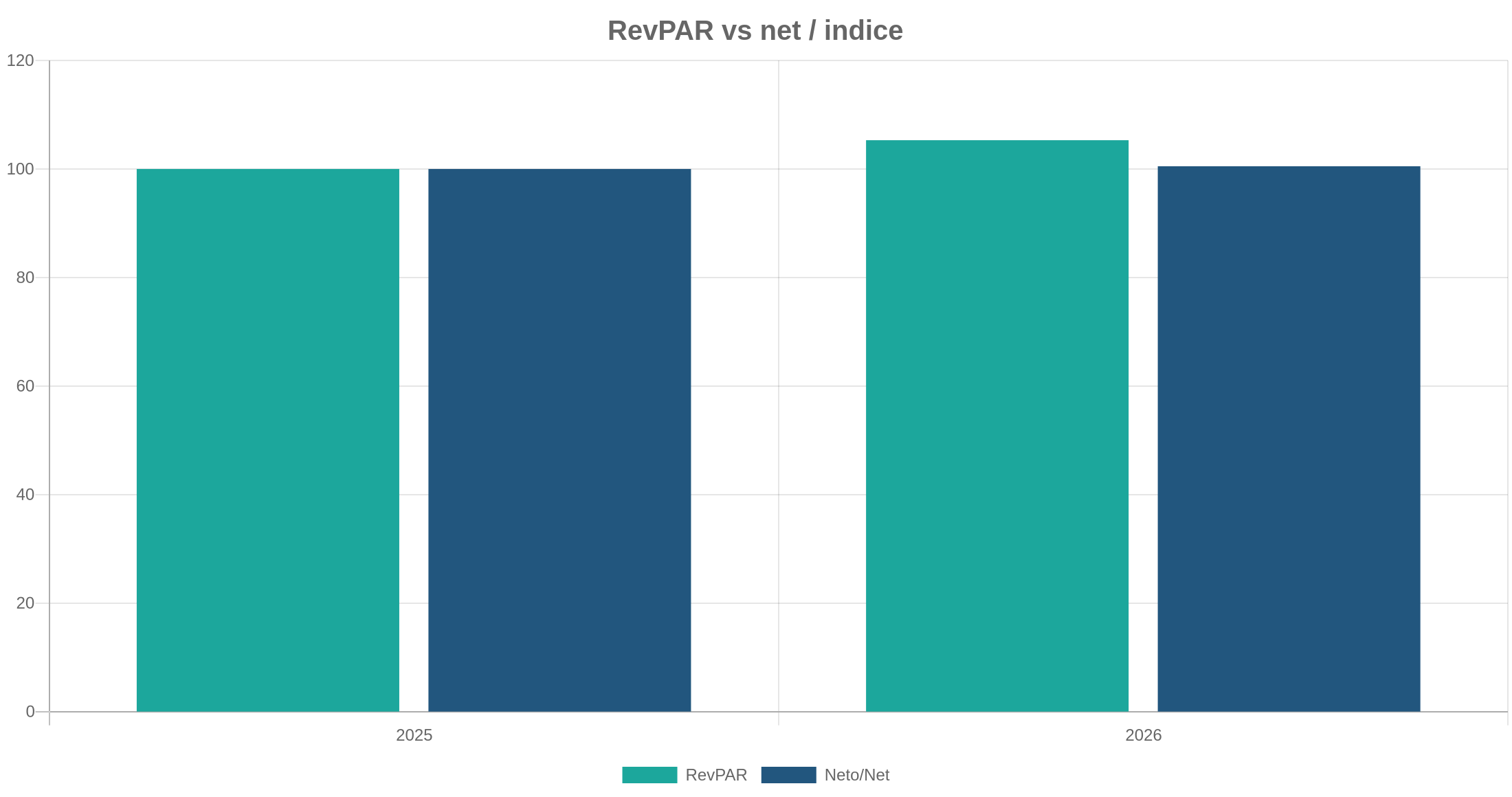
“Using HotelGEX, compare October 2026 with October 2025: occupancy, ADR, RevPAR, room revenue and distribution cost. Cross-check the results against the operating budget I have attached and my cost notes. Why has occupancy improved while contribution barely moved? Flag gaps in the data.”
Simulated result (60 rooms, 31 nights): occupancy rises from 66% to 72%; ADR falls from €116 to €112; RevPAR improves from €76.56 to €80.64 (+5.3%); room revenue rises from approximately €142,402 to €149,990. Distribution cost increases from 13% to 17% of room revenue, leaving roughly €123,890 versus €124,492 after distribution: just +0.5%. This is not the hotel's operating profit.
What extra context adds: an operating budget may reveal labor or energy cost pressure absent from RevPAR alone, while management notes explain one-off promotional decisions. Potential decision: investigate channel mix and net contribution by segment before pursuing further occupancy growth.
Use case 2: Revenue manager — enrich booking pace with demand signals
Example prompt
“Use HotelGEX to analyze on-the-books occupancy and seven-day pickup for the next 14 days. Add the local events schedule I have provided, verified competitor rates and our ADR budget. Separate facts from hypotheses. Recommend rate actions without applying changes.”
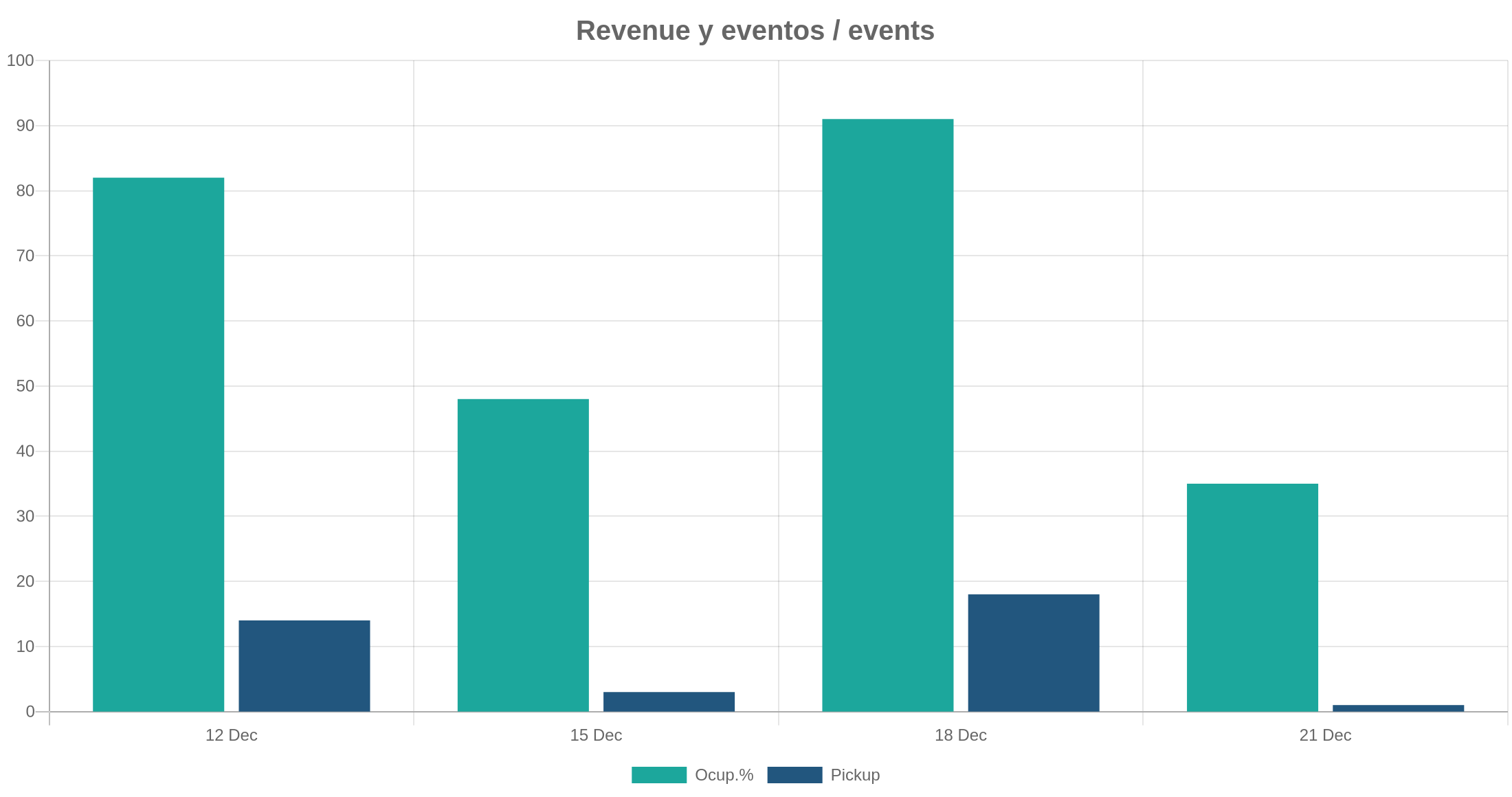
Simulated result: December 12: 82% on the books, +14 room nights pickup, €136 ADR; December 15: 48%, +3, €111; December 18: 91%, +18, €149; December 21: 35%, +1, €104. Pickup describes booking movement over a measurement period, not guaranteed final occupancy.
What extra context adds: conventions, transport changes and sports events may help explain demand; competitor pricing and the budget provide useful checks. Potential decision: test selective rate increases on December 12 and 18, monitor December 15 and run targeted direct-sales activity for December 21, subject to review.
Use case 3: Sales manager — connect pipeline, market and relationships
Example prompt
“Build a groups-and-events funnel from HotelGEX enquiries, quotations and confirmed bookings. Add the trade-show calendar, my strategic account list and meeting notes. Rank five follow-up opportunities, but send no messages.”
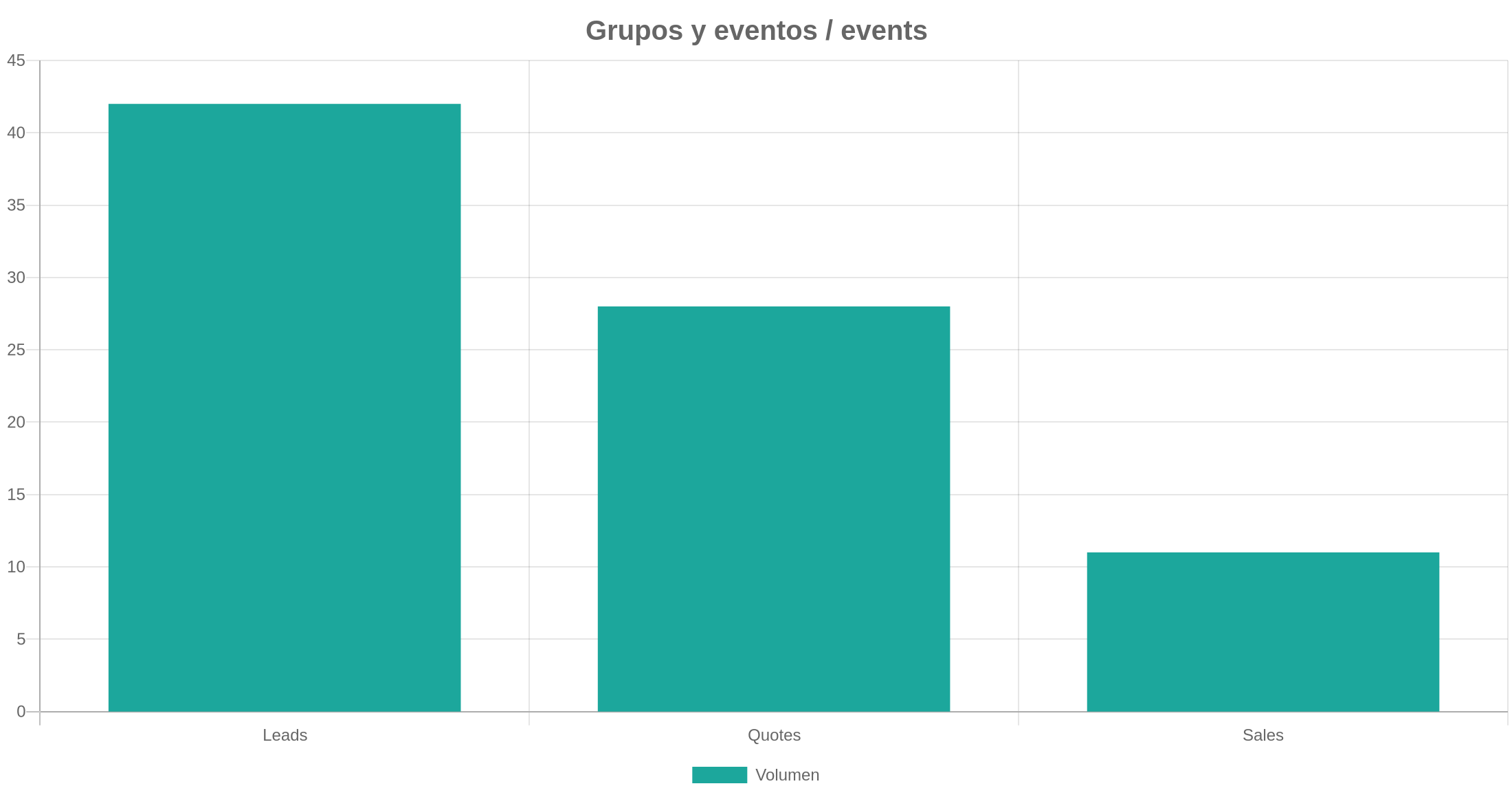
Simulated result: 42 enquiries, 28 quotations, 11 confirmed events. Enquiry-to-confirmation conversion is 26.2%; quotation-to-confirmation conversion is 39.3%. Quoted value is €92,000, confirmed value €31,500 and the nominal value of 17 open proposals is €60,500, subject to checking validity and duplication.
What extra context adds: market events, relationship history and sales targets help distinguish high-priority opportunities from low-probability enquiries. Potential decision: prioritize calls by account value, event date and quote expiry; draft tailored follow-ups for approval and appropriate consent checks.
Use case 4: Front office manager — create a context-rich daily briefing
Example prompt
“Prepare tomorrow's briefing from HotelGEX: arrivals, departures, ready rooms, early-arrival requests and unresolved issues. Compare it with my attached staff roster, maintenance report and event instructions. Avoid unnecessary personal data.”
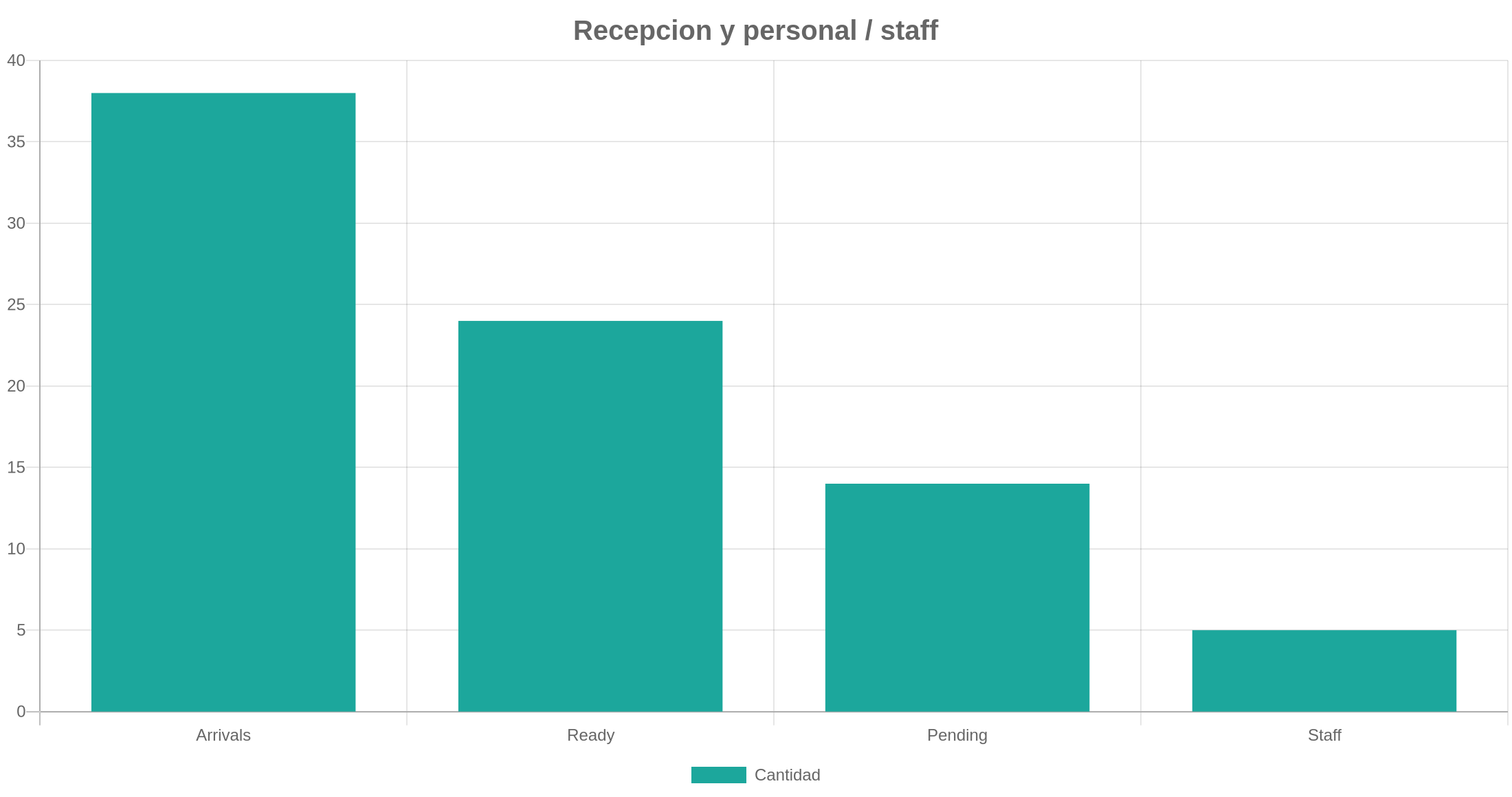
Simulated result: 38 arrivals, 31 departures and 74 guests staying over; 11 arrivals expected before 2 p.m. Of the 38 rooms required for arriving bookings, 24 show as ready and 14 are pending cleaning or verification at the time of the query.
What extra context adds: the staff roster reveals workload constraints; a maintenance report may exclude a blocked room; an event brief can explain a clustered arrival pattern. Potential decision: coordinate front desk and housekeeping priorities using a verified, refreshable shift briefing.
Use case 5: Do guests book more when their home city is cold or rainy?
Example prompt for ChatGPT or Claude
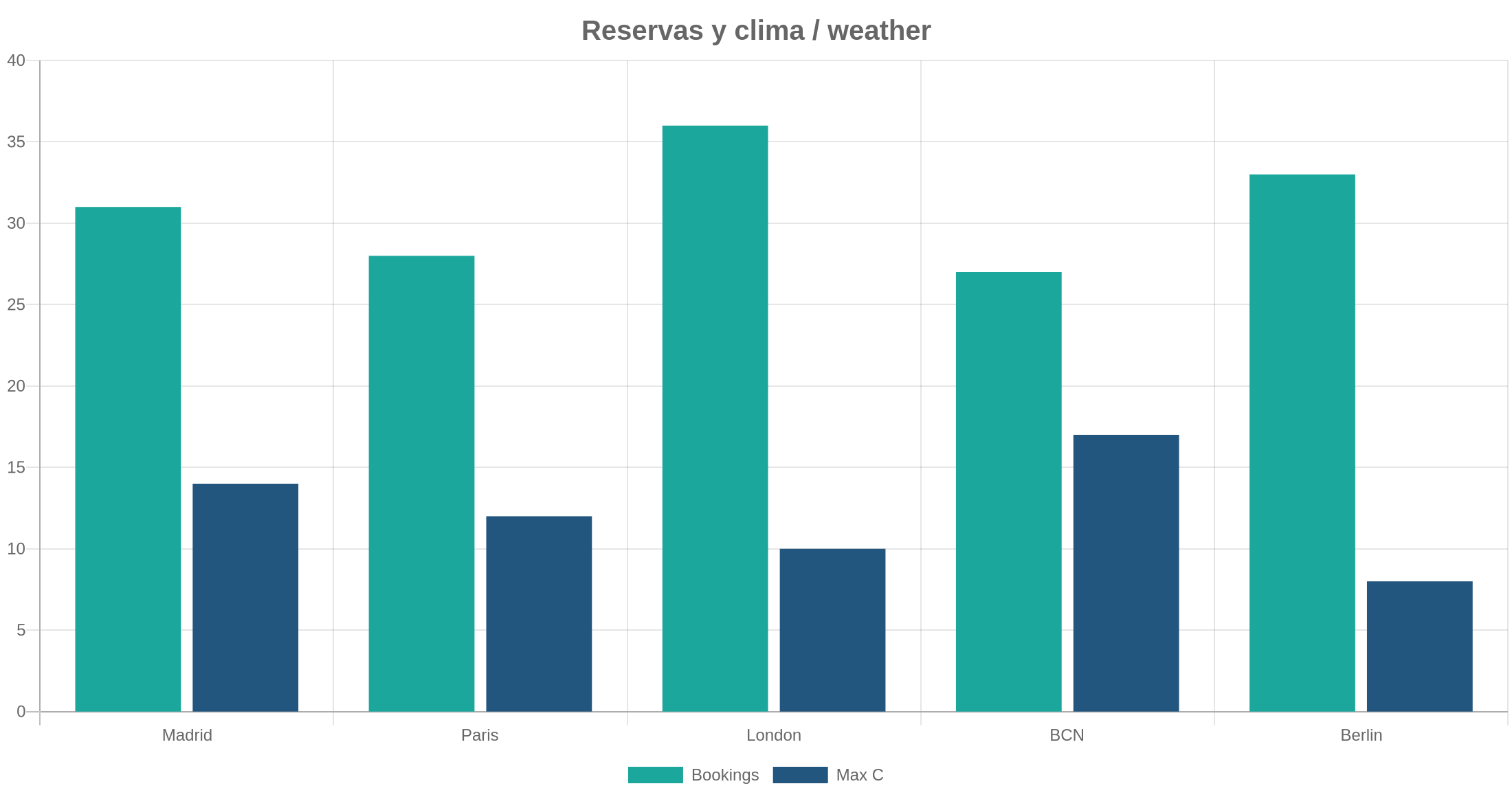
“Using HotelGEX, find the five dates in October 2026 with the highest number of newly created bookings, based on booking creation date rather than stay date. For each date, group bookings by guest residence or origin city where reliably recorded, without exposing personal information. Look up verified historical maximum and minimum temperature and precipitation for those origin cities on the corresponding dates. Combine the two datasets, compare the figures with the rest of the month and chart your findings. Distinguish correlation from causation.”
Entirely fictional illustration: October 5: 31 new bookings, Madrid as a leading source city, high 14 °C; October 11: 28 bookings, Paris, 12 °C; October 18: 36 bookings, London, 10 °C; October 23: 27 bookings, Barcelona, 17 °C; October 29: 33 bookings, Berlin, 8 °C. The source city mentioned is only the leading market for that date, not the origin of every booking. Temperatures are made-up example figures, not verified historical observations.
What external context adds: HotelGEX can supply accessible booking-creation dates, volumes and recorded markets, while a separate historical weather provider supplies conditions in source cities. ChatGPT or Claude may then explore whether cold or rainy spells coincide with increased hotel bookings from particular markets.
How to avoid false conclusions: inspecting the top five booking dates alone creates selection bias. Proper analysis uses all dates, origin-city booking volumes, local weather benchmarks and controls for weekdays, holidays, pricing, campaigns, booking lead time and availability. Missing city data should remain unknown rather than be guessed.
Use case 6: Do destination events explain booking peaks?
“Pull pickup by stay date from HotelGEX. Cross-check it against a verified public schedule of trade shows, festivals and sports events. Compare event dates with similar non-event periods.”
Simulated figures: baseline bookings Monday–Sunday: 6, 7, 7, 9, 12, 15 and 8. An event week shows illustrative additional volumes of 4, 6, 12 and 15 across Wednesday–Saturday. Decision: assess pricing, inventory and operational preparedness without treating coincidence as proof of causation. Figure 6: baseline and illustrative event-period demand.
Related visual: Figure 2 (occupancy and pickup). The event calendar provides external context; it is not a separately plotted series.
Use case 7: Do new air connections drive bookings from a source market?
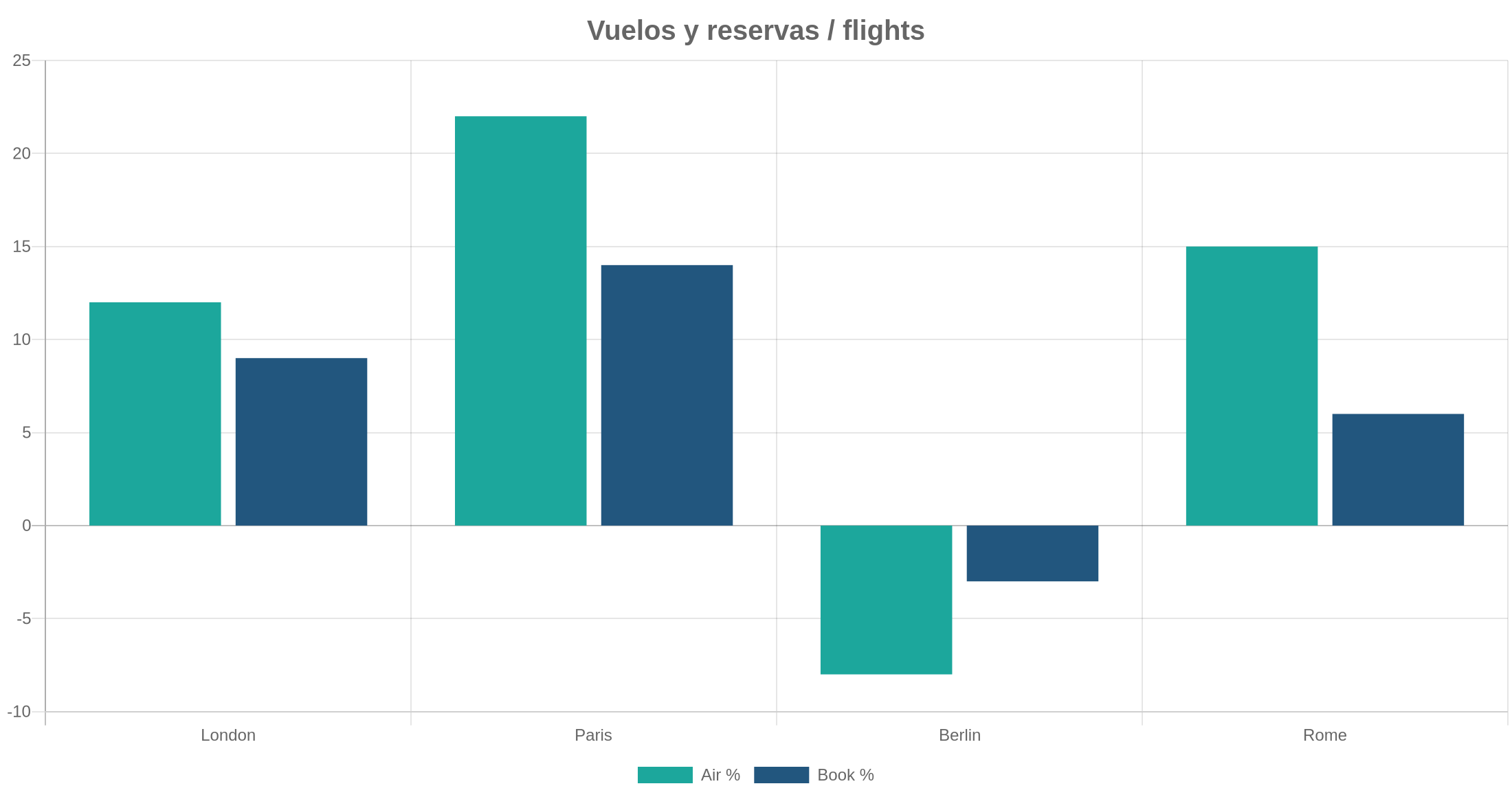
“Group HotelGEX bookings by source market, and compare their growth against public data on airline seat capacity or route frequency. Account for seasonality and rate movements.”
Simulated changes in air capacity / bookings: London +12% / +9%; Paris +22% / +14%; Berlin −8% / −3%; Rome +15% / +6%. Decision: evaluate targeted marketing in newly accessible markets, while acknowledging that correlation is not attribution. Figure 7: air capacity and booking growth.
Use case 8: Which campaigns produce bookings, not just opens?
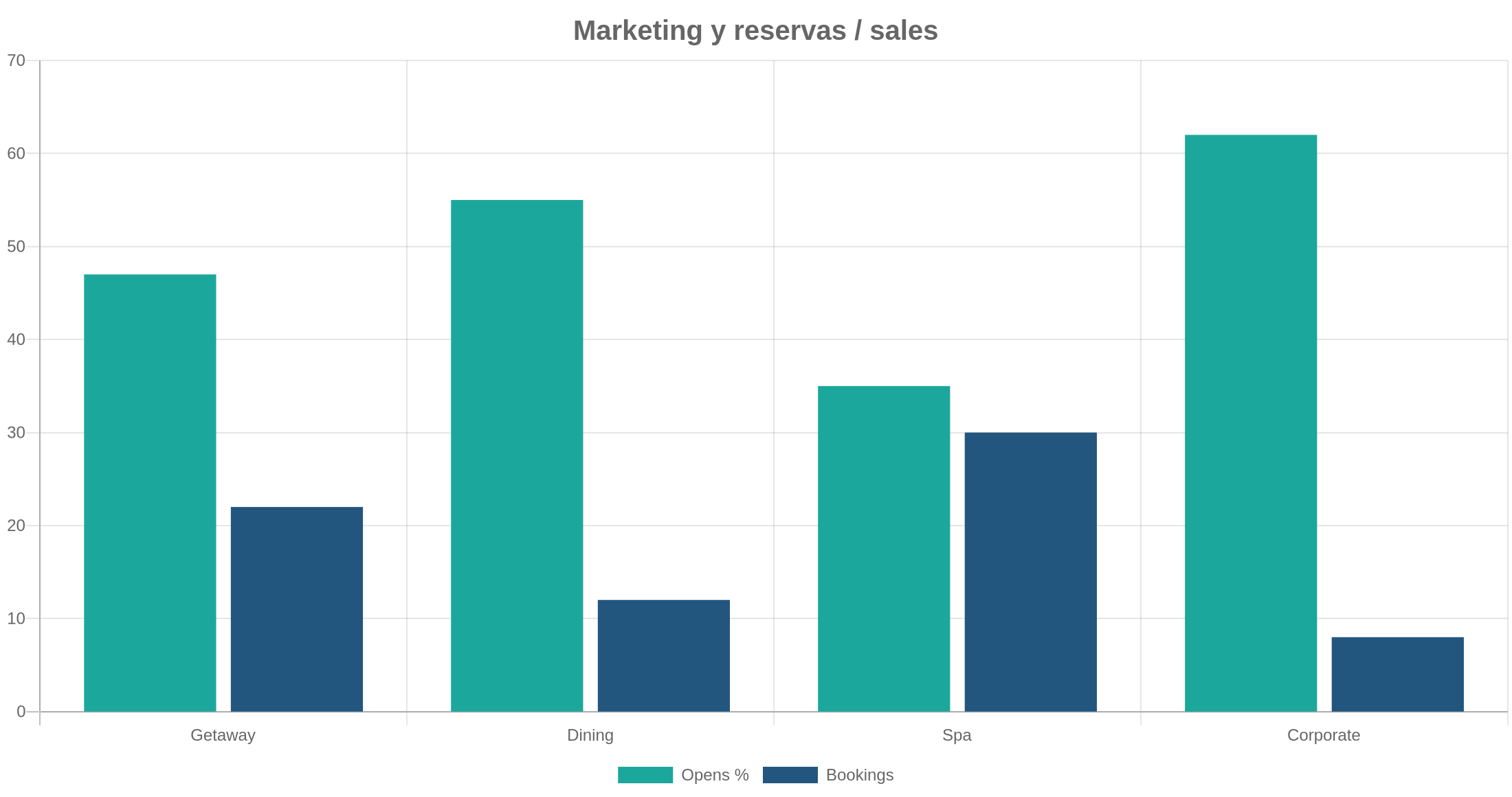
“Combine marketing campaign opens and clicks with correctly attributed HotelGEX reservations. Validate the attribution window, cancellations and contribution after distribution costs.”
Simulated results: Getaway 47% open rate and 22 attributed bookings; Dining 55% and 12; Spa 35% and 30; Corporate 62% and 8. Decision: prioritize conversion and contribution over opening rates alone. Figure 8: campaign opens against attributed reservations.
Use case 9: How does online reputation relate to rate resilience?
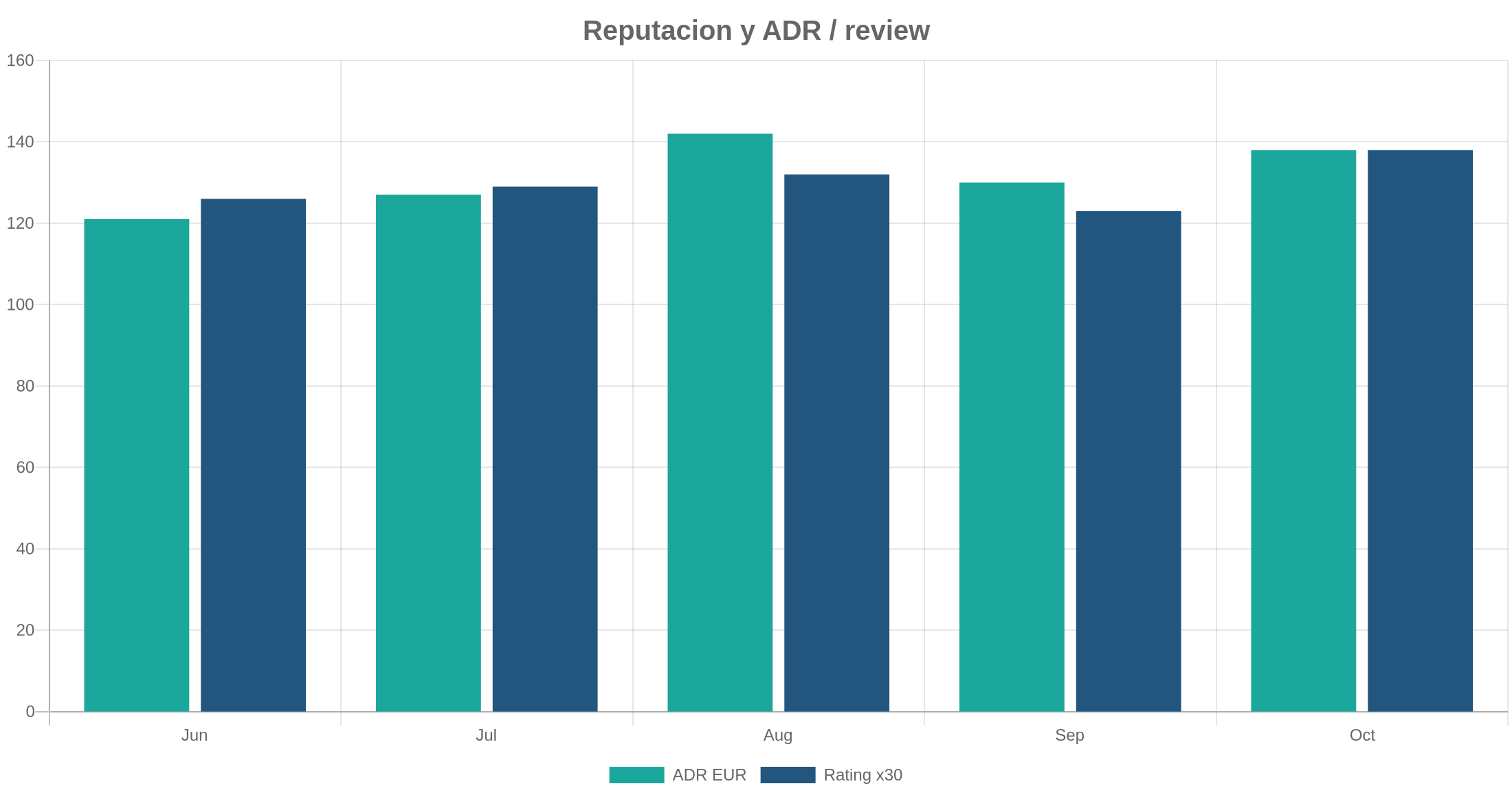
“Compare externally sourced ratings and recurring review themes with HotelGEX ADR, occupancy and segments. Control for season, category mix, pricing and review volume.”
Simulated monthly ratings June–October: 4.2, 4.3, 4.4, 4.1, 4.6; corresponding ADR: €121, €127, €142, €130, €138. Decision: investigate service quality and brand positioning, without assigning seasonal ADR changes to reviews alone. Figure 9: reputation and ADR trends.
Use case 10: Does planned staffing match next week's workload?
“Compare HotelGEX arrivals, departures and special requests with an attached staffing roster and standard task times. Flag potential bottlenecks and recommend options without changing shifts.”
Simulated daily movements: 42, 37, 55, 49, 78, 83 and 61, against scheduled staff of 4, 4, 5, 4, 5, 5 and 5. Decision: investigate Friday and Saturday staffing, shift overlaps and work sequencing while respecting labor rules. Figure 10: expected activity versus staffing.
Visual materials: twenty original simulated charts have been prepared, one for each of the ten cases in Spanish and English. They require separate insertion into the website editor because this drafting tool does not support direct image attachments.
Related visual: Figure 4 (arrival rooms and staffing). Room counts and personnel are different units and do not represent a productivity ratio.
Five habits for better AI-assisted hotel decisions
- Specify the property, time frame and decision you need to make.
- State which data should come from HotelGEX and which other documents or sources should be included.
- Require clear separation of verified facts, estimates, assumptions and unknowns.
- Ask for source references, timestamps, KPI definitions and calculation methods.
- Review draft recommendations before making rate, reservation or communications changes.
The new hotel intelligence: answers with context
The breakthrough is not relocating a dashboard into a chat window. It is making hotel operating data part of the broader business context already used by decision-makers. A financial plan, contract, market article or event calendar can explain what a standalone operational table cannot.
HotelGEX contributes authorized hotel context through its AI Connector for ChatGPT and Claude; the assistant may supplement this with sources the user separately enables. Better decisions still require trustworthy data, explicit assumptions and professional judgment. More context is valuable not because every source is correct, but because it gives professionals more to verify, compare and understand.
Learn more
Categories: Artificial intelligence, Analytics & reporting, Integrations & API
Get HotelGEX news in your inbox
One email when we launch something new: features, integrations and guides. No spam; unsubscribe in one click.